

3D visualization of perivascular spaces (PVS) segmented from brain MRI, highlighting their distribution throughout the cerebral white matter.
Clinical Research
The Brain Clearance Research Center is dedicated to translating cutting-edge research into clinical insights that improve our understanding of neurological disorders. Our work explores how brain clearance dysfunction contributes to disease pathogenesis, progression, and potential therapeutic interventions across various conditions.
Alzheimer’s Disease and Brain Clearance Clinical Research
Impaired brain clearance is a key factor in the accumulation of toxic proteins such as amyloid-beta and tau in Alzheimer’s disease (AD). Our research demonstrates that perivascular clearance deficits correlate with disease severity, providing novel biomarkers for early detection and disease monitoring. We explore how clearance impairment accelerates neurodegeneration and investigate strategies to enhance clearance as a potential therapeutic approach.
Key Finding:
We, for the first time, reported that patients with mild cognitive impairment and early Alzheimer’s have fewer pathways of brain clearance around the anterior part of the medial temporal lobe, which is the region first affected in Alzheimer’s disease.
→ Read more → Read more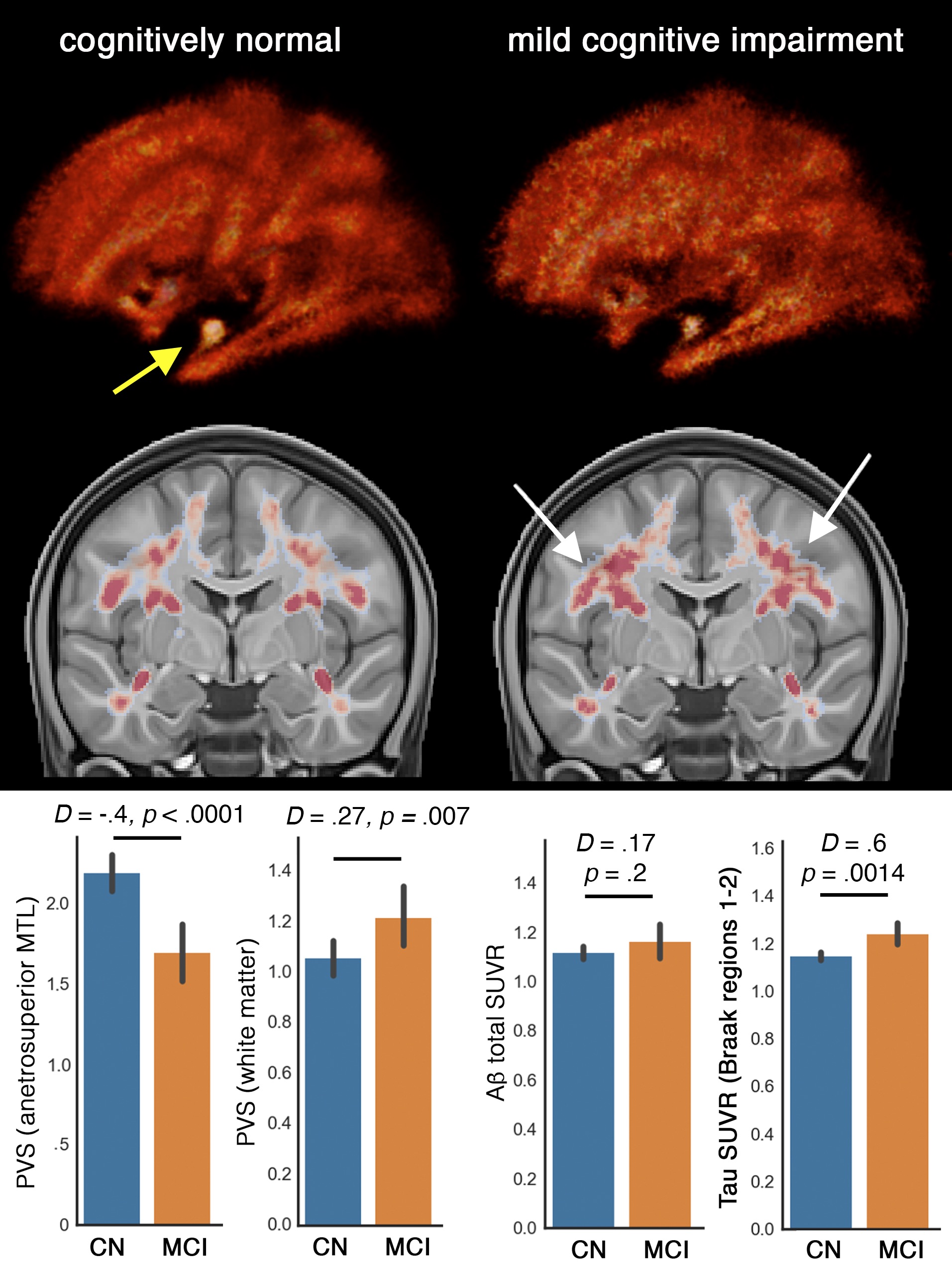
Brain Clearance Across the Lifespan
Brain clearance efficiency changes with age, impacting cognitive function and susceptibility to neurological disorders. Our research maps clearance trajectories from childhood to late adulthood, revealing age-related declines in perivascular function that may contribute to cognitive aging and neurodegeneration. Understanding these patterns helps inform strategies for early intervention.
Key Finding:
Our research indicates that the morphology of brain clearance pathways (i.e., perivascular space) changes nonlinearly with age throughout the lifespan, with these changes observed differently in various regions of the brain. These foundational studies are essential for understanding the healthy profile of brain clearance across the lifespan, establishing a benchmark for clinical studies.
→ Read more → Read more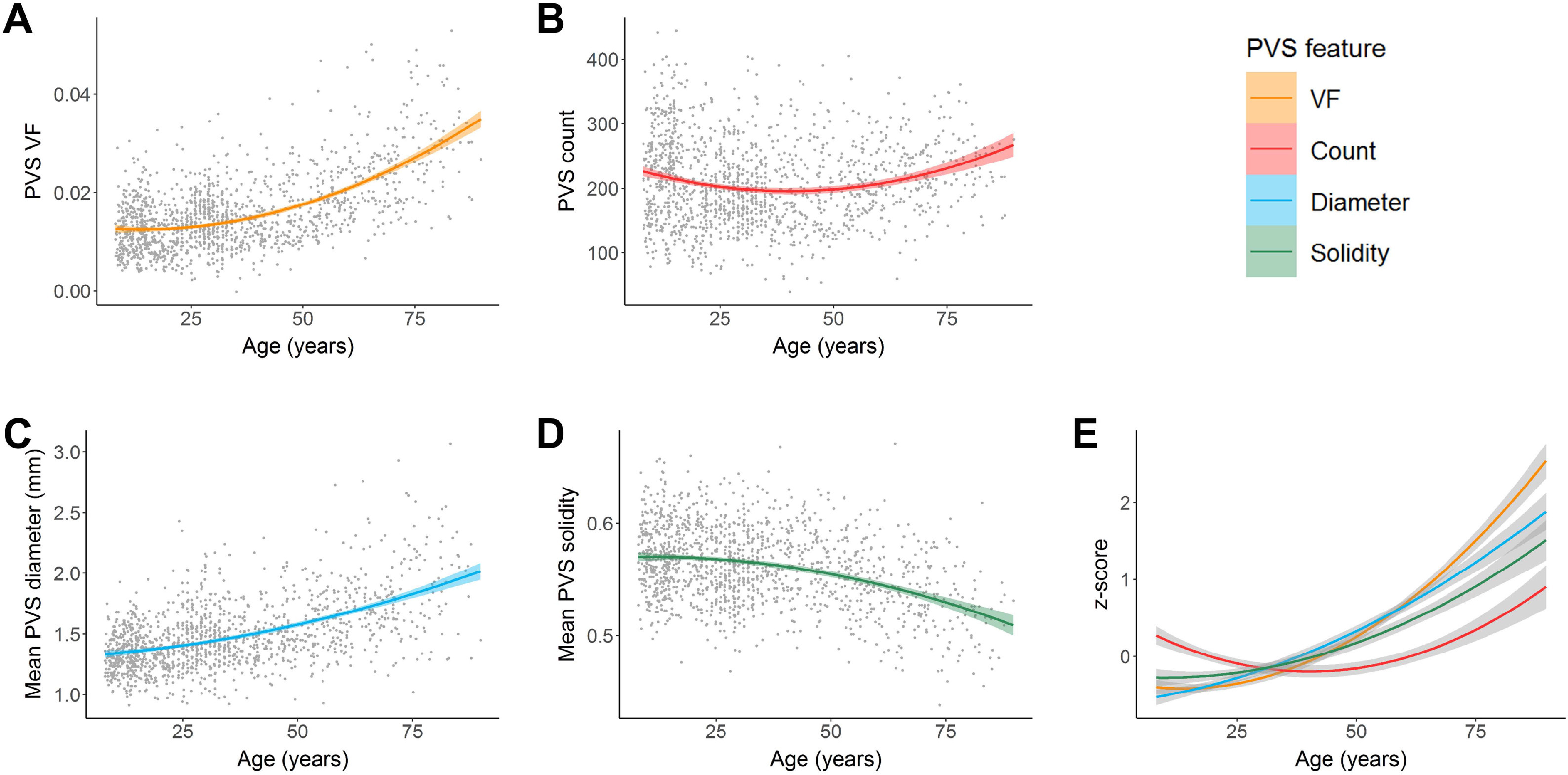
Brain Clearance and BMI
Obesity and metabolic disorders have been linked to brain clearance dysfunction, which may increase the risk of neurodegenerative diseases. Our research shows that individuals with higher body mass index (BMI) exhibit reduced brain clearance activity, suggesting a strong connection between metabolic health and brain clearance efficiency. These insights highlight the need for lifestyle modifications to support cognitive resilience.
Key Finding:
We found a significant and strong link between BMI and the enlargement of brain clearance pathways, which may be due to a deficiency in fluid exchange at the brain vessel wall caused by the accumulation of fat.
→ Read more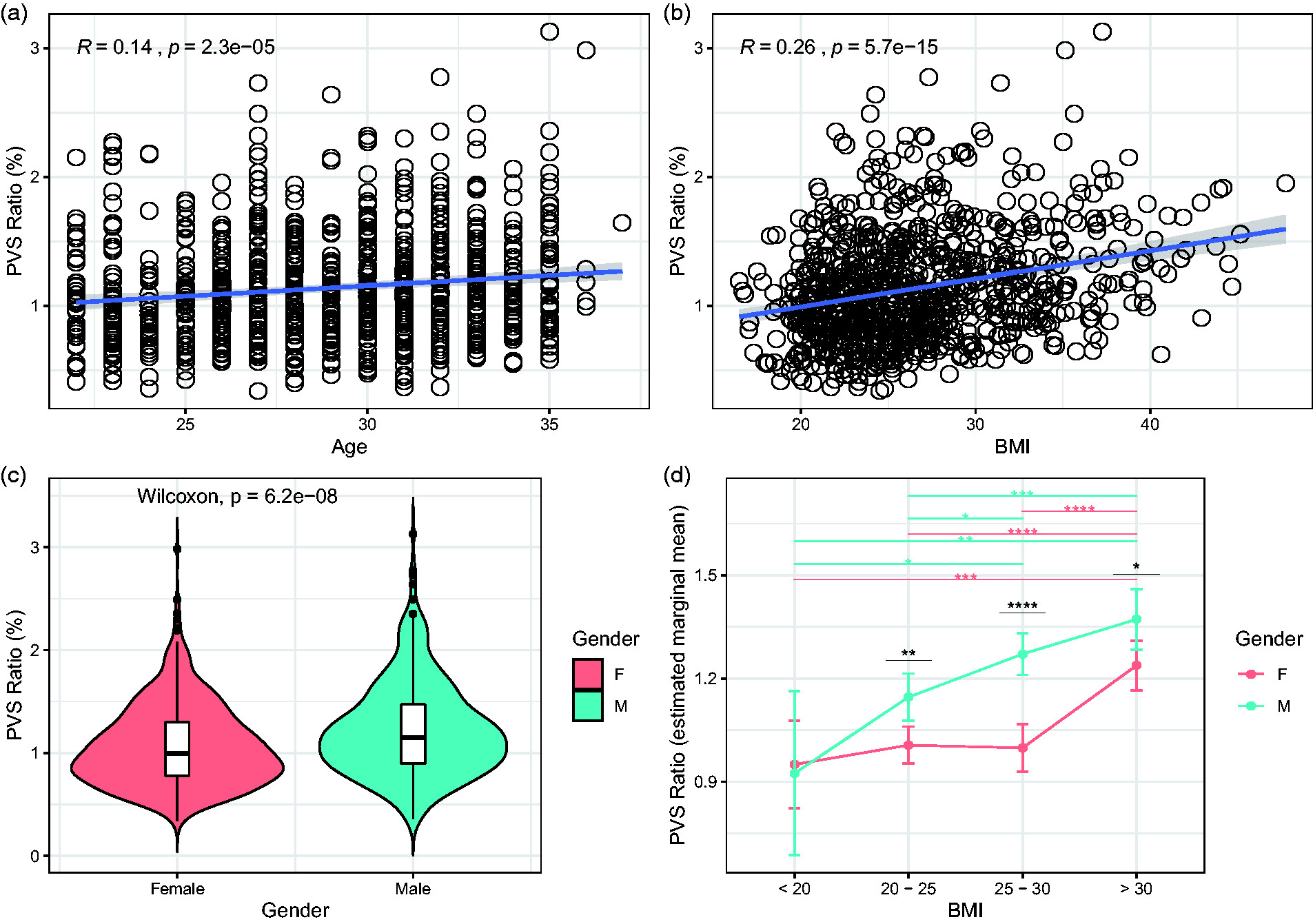
Brain Clearance and Genetics
Our research investigates how genetic factors and hormonal influences impact perivascular clearance, shedding light on why certain populations are at greater risk for conditions like Alzheimer’s disease. Understanding these factors could lead to personalized therapeutic strategies.
→ Read more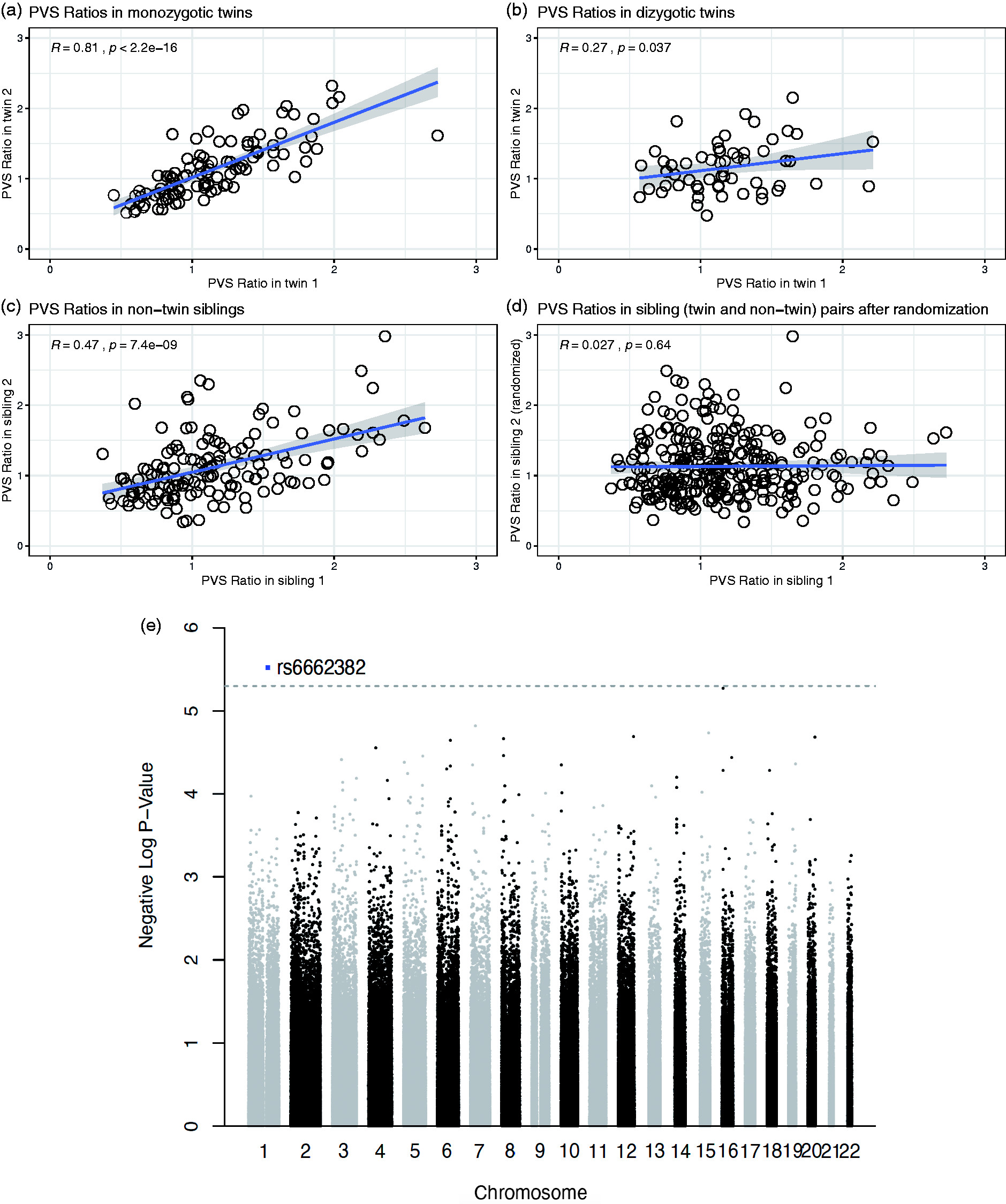
Cerebral Amyloid Angiopathy (CAA) and Brain Clearance
CAA is a cerebrovascular condition characterized by amyloid deposition in the walls of brain blood vessels, often coexisting with AD. Our studies reveal that perivascular clearance failure plays a critical role in CAA pathogenesis, contributing to vascular dysfunction and increased risk of hemorrhagic strokes. Understanding these mechanisms offers new avenues for therapeutic intervention and risk assessment.
Key Finding:
Our study revealed notable predictive link between occipital perivascular space morphology and the presence of amyloid angiopathy pathology.
→ Read more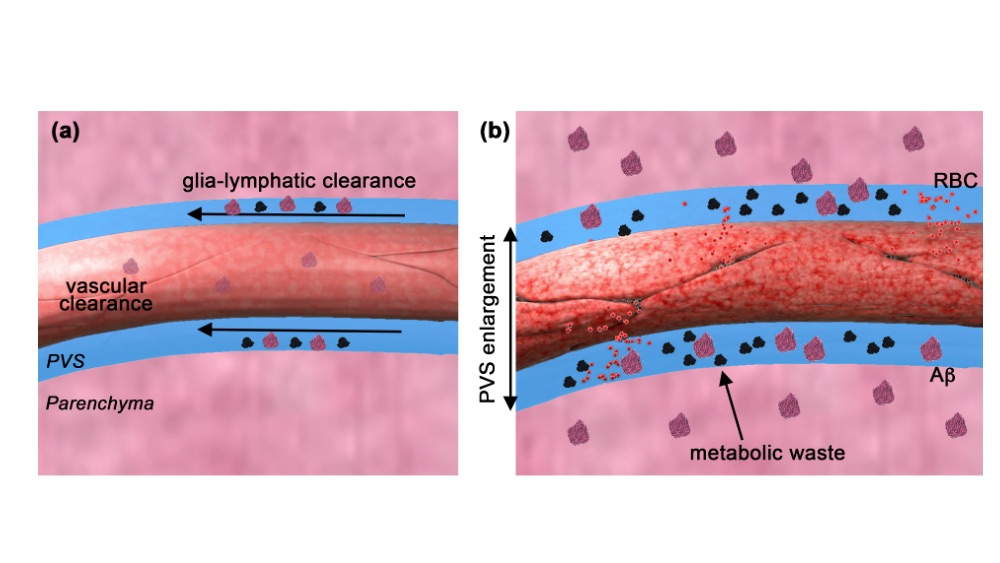
Parkinson’s Disease and Brain Clearance Dysfunction
Abnormal protein aggregation and neuroinflammation are hallmarks of Parkinson’s disease (PD) progression. Our research identifies compromised brain clearance as a contributing factor to alpha-synuclein accumulation. By linking brain clearance dysfunction to neurodegeneration, we highlight the potential of imaging biomarkers to detect early PD-related clearance impairment.
Key finding: we discovered that genetic form of PD, particularly those with LRKK2 genotype have altered brain clearance system in comparison to healthy older adults.
Key Finding:
Our study revealed notable predictive link between occipital perivascular space morphology and the presence of amyloid angiopathy pathology.
→ Read more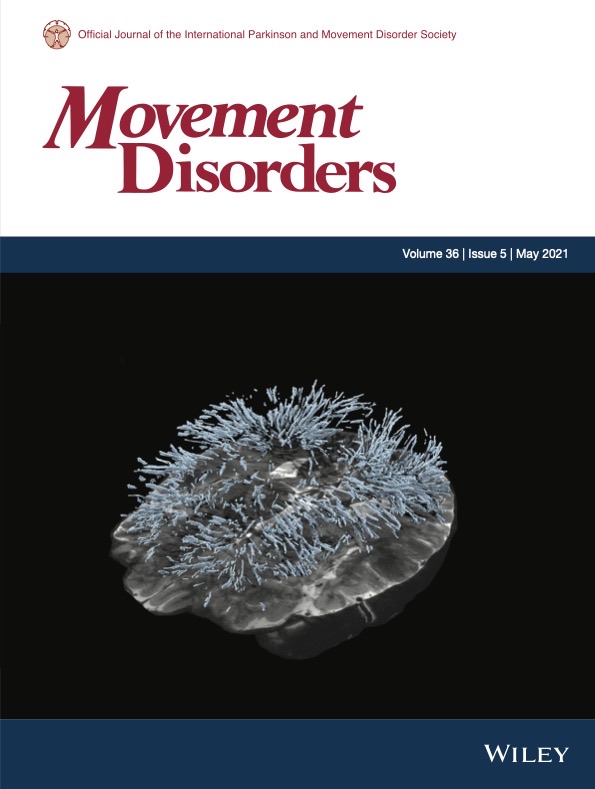
Brain Clearance and Neuroinflammation
Chronic neuroinflammation is increasingly recognized as a driver of neurodegenerative diseases. Our studies indicate that inflammatory processes disrupt perivascular clearance, exacerbating protein accumulation and neuronal damage. By investigating the interplay between inflammation and clearance pathways, we aim to identify new therapeutic targets to mitigate disease progression.
Key Finding:
While further controlled experiments are required, our retrospective analysis suggests that the altered brain clearance system observed in Alzheimer’s disease is caused by the neuroinflammatory aspect of the disease pathology.
→ Read more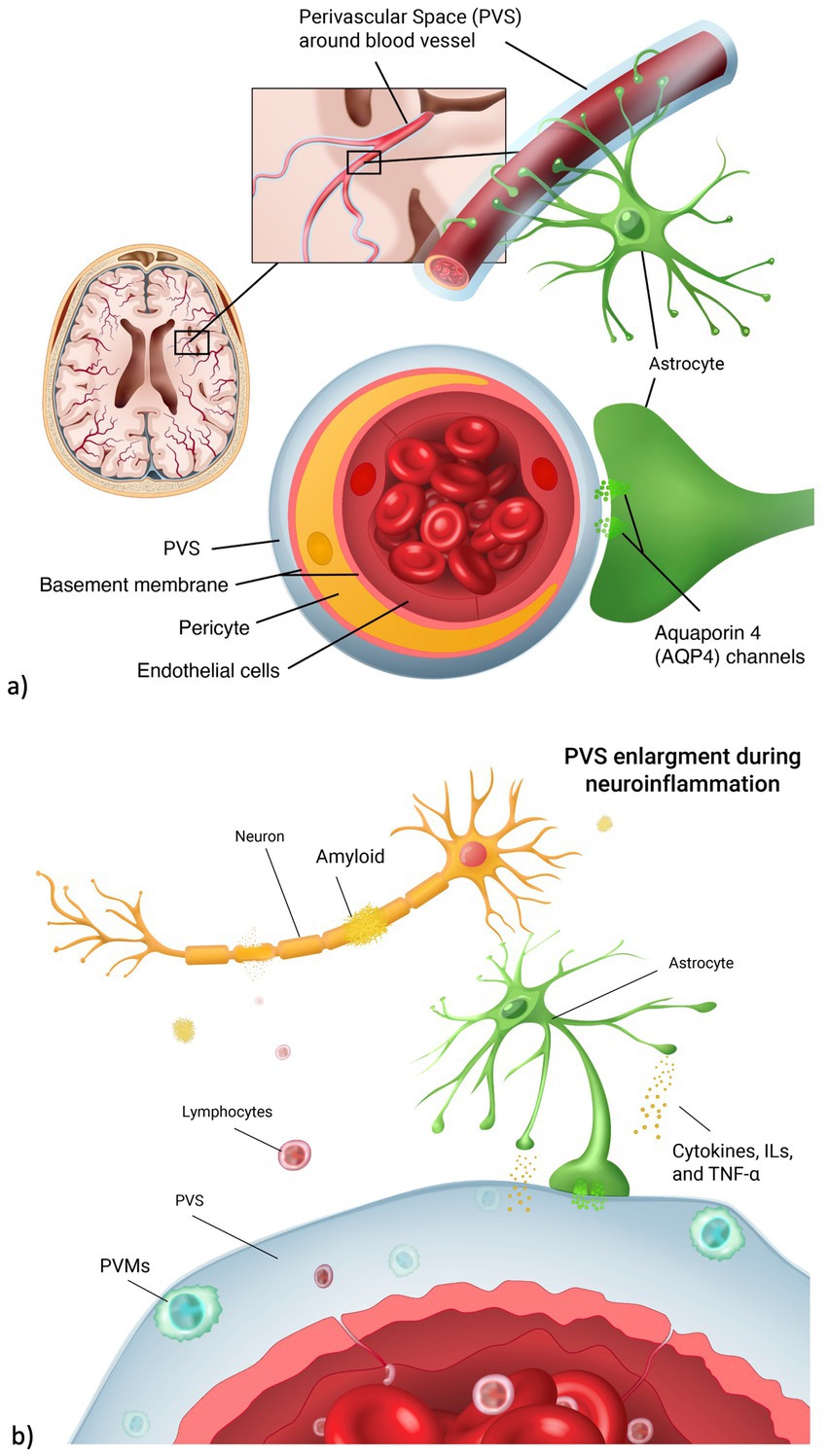
Brain Clearance Changes in Spaceflight
Extended exposure to microgravity in space affects cerebrospinal fluid dynamics and perivascular function. Our research on astronauts reveals significant alterations in brain clearance post-spaceflight, raising concerns about the long-term neurological impact of space travel. These findings are crucial for developing countermeasures to protect astronaut brain health on long-duration missions.
Key Finding:
We found increased volume of perivascular space fluid in basal ganglia and white matter after spaceflight, which was more prominent in the NASA crew than the Roscosmos crew, which could be due to differences in the use of countermeasures and high-resistive exercise regimes, which can influence brain fluid redistribution.
→ Read more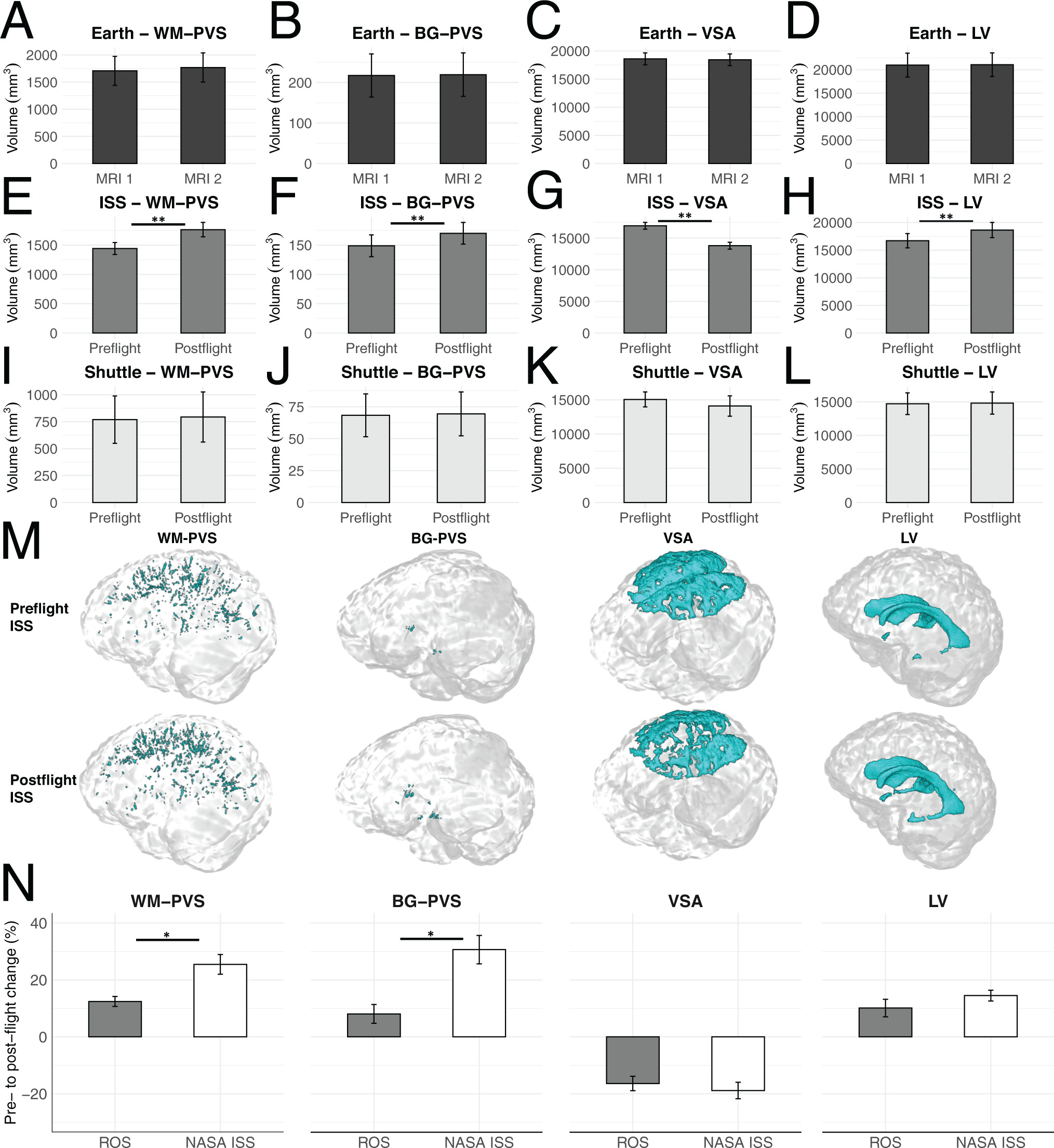
Brain Clearance and Stroke
Following a stroke, the brain’s waste clearance systems are severely compromised, leading to prolonged neuroinflammation and secondary damage. Our studies explore how stroke alters perivascular function and examine potential interventions to restore clearance capacity, which may improve recovery outcomes and reduce long-term neurological deficits.
Key Finding:
We observed that an altered brain clearance system is associated with worse post-stroke sensorimotor outcomes, highlighting the role of the brain clearance system in brain homeostasis.
→ Read moreBrain Clearance and Sleep
Sleep plays a critical role in maintaining brain health by facilitating waste clearance. Our research demonstrates that sleep disruption significantly impairs perivascular fluid movement, increasing the risk for neurodegenerative diseases. These findings emphasize the importance of sleep in promoting brain clearance and highlight potential therapeutic interventions for sleep-related disorders.
Key Finding:
Surprisingly, we found that older adults with better sleep quality and efficiency had larger perivascular spaces in the basal ganglia, suggesting that increases in brain clearance pathway size are not always indicative of negative changes. In a partial sleep deprivation study, we discovered that the relationship between sleep stage duration and perivascular spaces depends on sleep deprivation status. Sleep deprivation was linked to enlarged perivascular spaces in the centrum semiovale in young adults.
→ Read more → Read more